
Bisha Mine, Eritrea · Leadership experience prior to Sirius Analytical
From contractor-operated laboratory to owner-operated capability
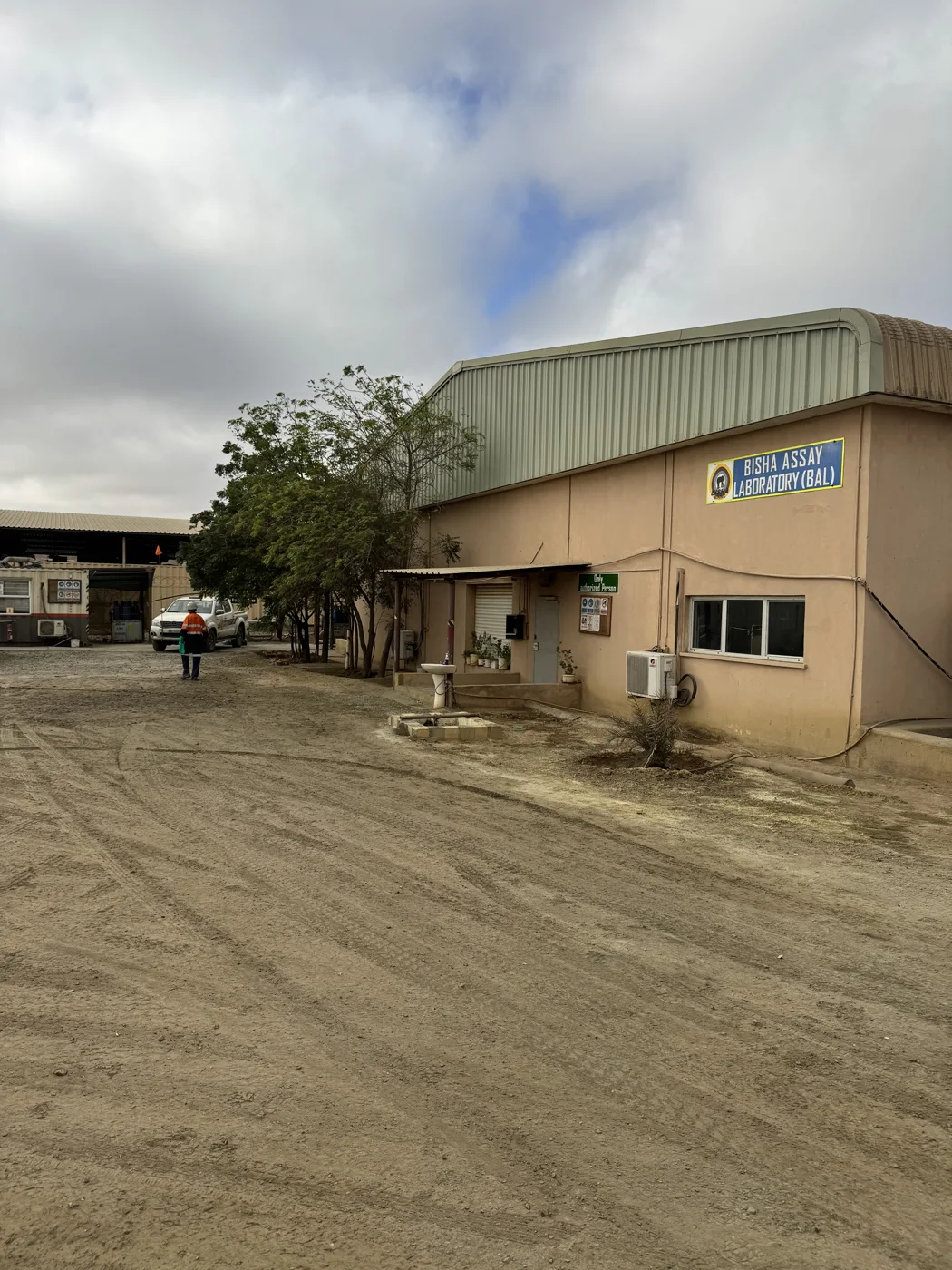
Bisha Mine’s outsourced laboratory model supported the reporting requirements of its previous ownership. Following a change in ownership, management reconsidered whether that operating model remained the right approach.
The operating question
Could the laboratory transition to an owner-operated model while maintaining analytical control and improving operational visibility?
This required more than replacing the operator. The mine needed control of people, methods, equipment, quality, infrastructure, information systems and day-to-day management while the laboratory continued to support the operation.
Transition and implementation
The response
ASSESS → TRANSITION → STABILISE → IMPROVE → CONTROL
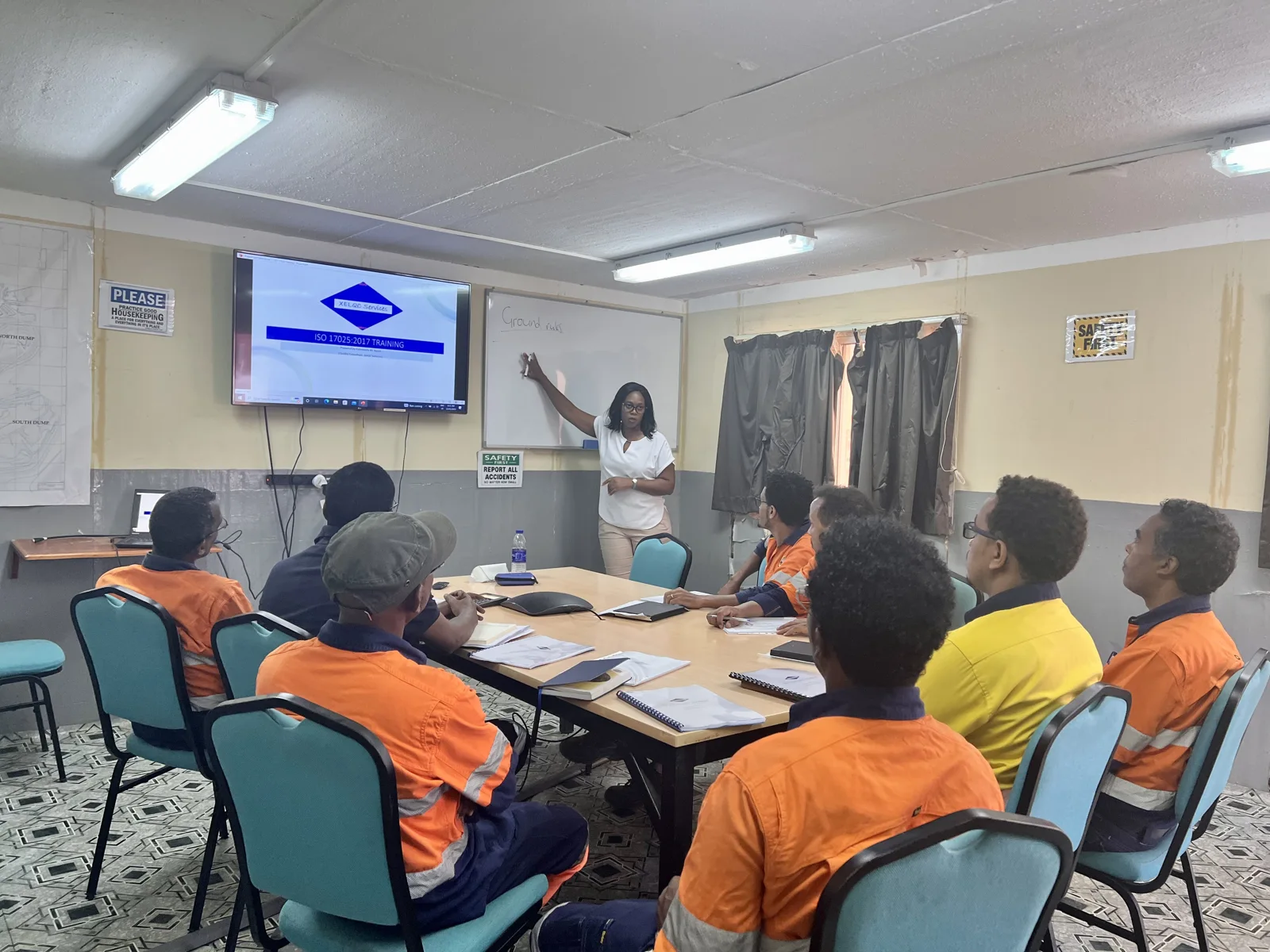
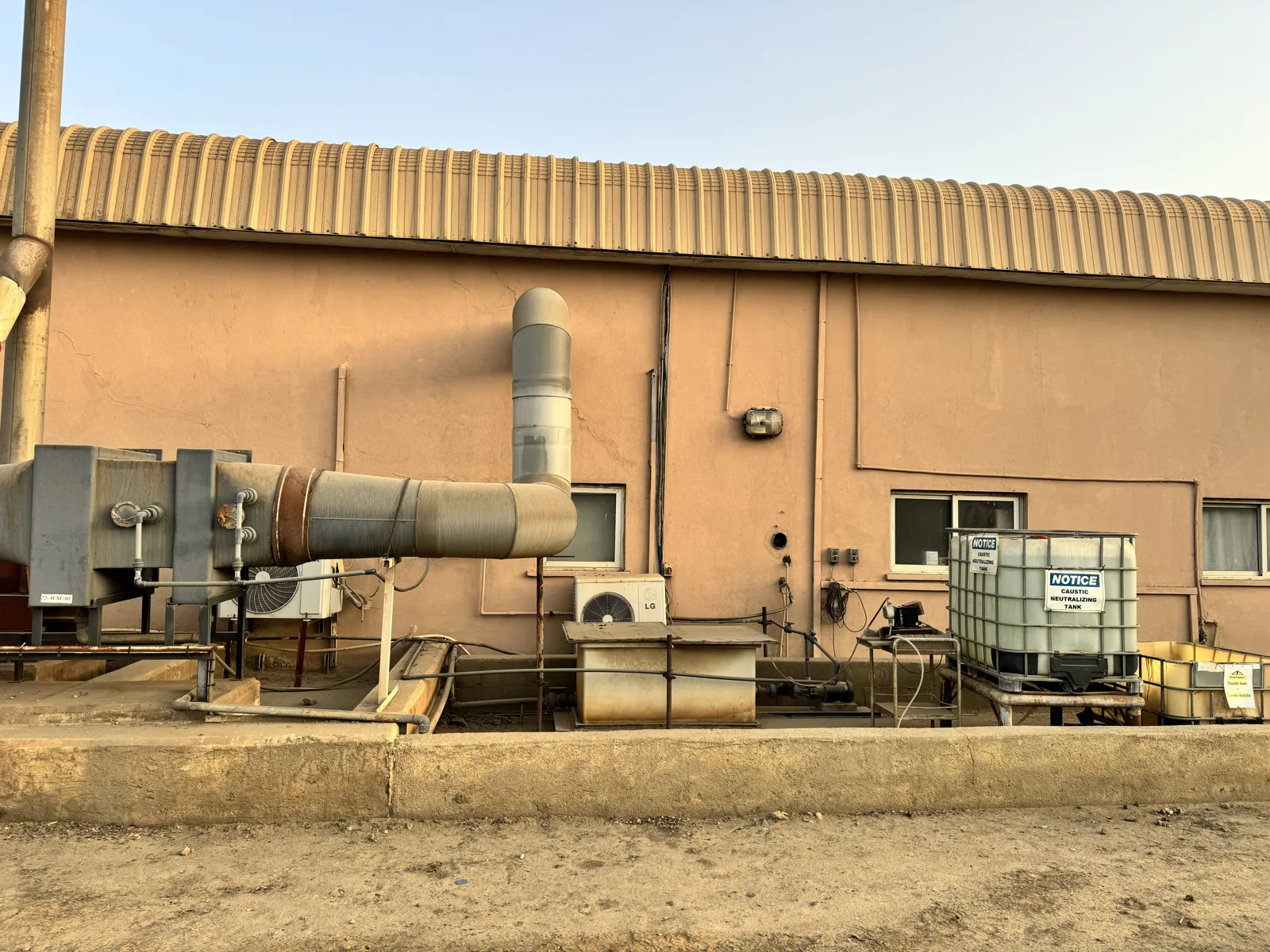
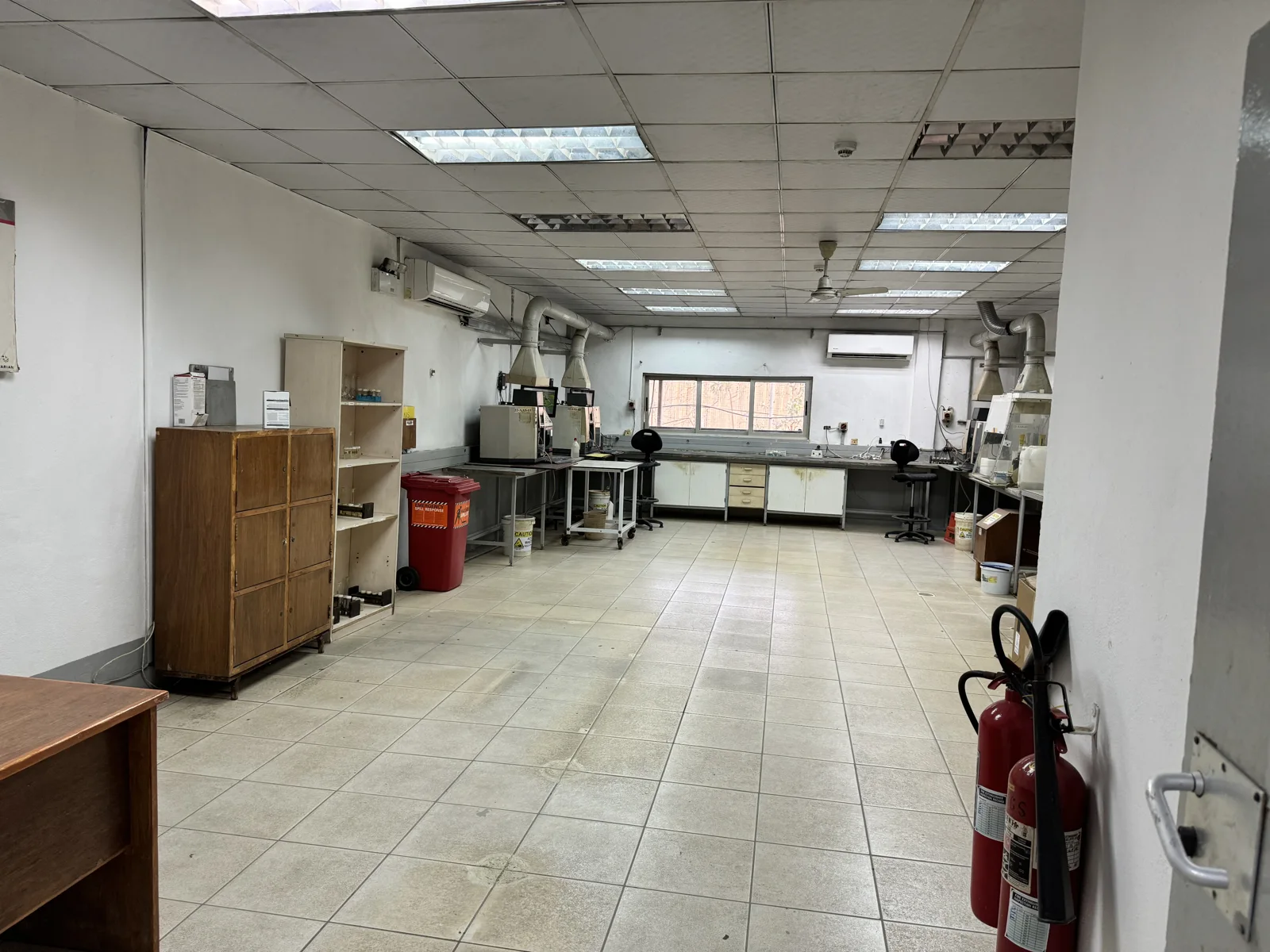
The work included transferring operational responsibility, developing the internal team, improving cost visibility, addressing infrastructure and safety requirements, strengthening IT and analytical systems, reviewing laboratory assets and improving analytical-performance monitoring.
What changed
The laboratory moved toward greater internal control of its analytical capability.
Cost allocation, asset review, analytical investigations and facility work created a stronger basis for managing the service within the mine.
- Observation
- A changed business requirement prompted reconsideration of the contracted operating model.
- Evidence
- The 2021 operating-model memo, 2024 cost allocation record, analytical investigation and selected project photographs support this account.
- Action
- Transfer responsibility and establish the people, systems and controls for an internally managed laboratory.
- Outcome
- Mine operational responsibility from July 2022, with documented cost allocation and analytical-control work.
- Basis
- Leadership experience prior to Sirius Analytical. The internal records support the transition and control activities; they do not establish realised savings or a quantified service-continuity improvement.
Analytical confidence
Analytical control in practice
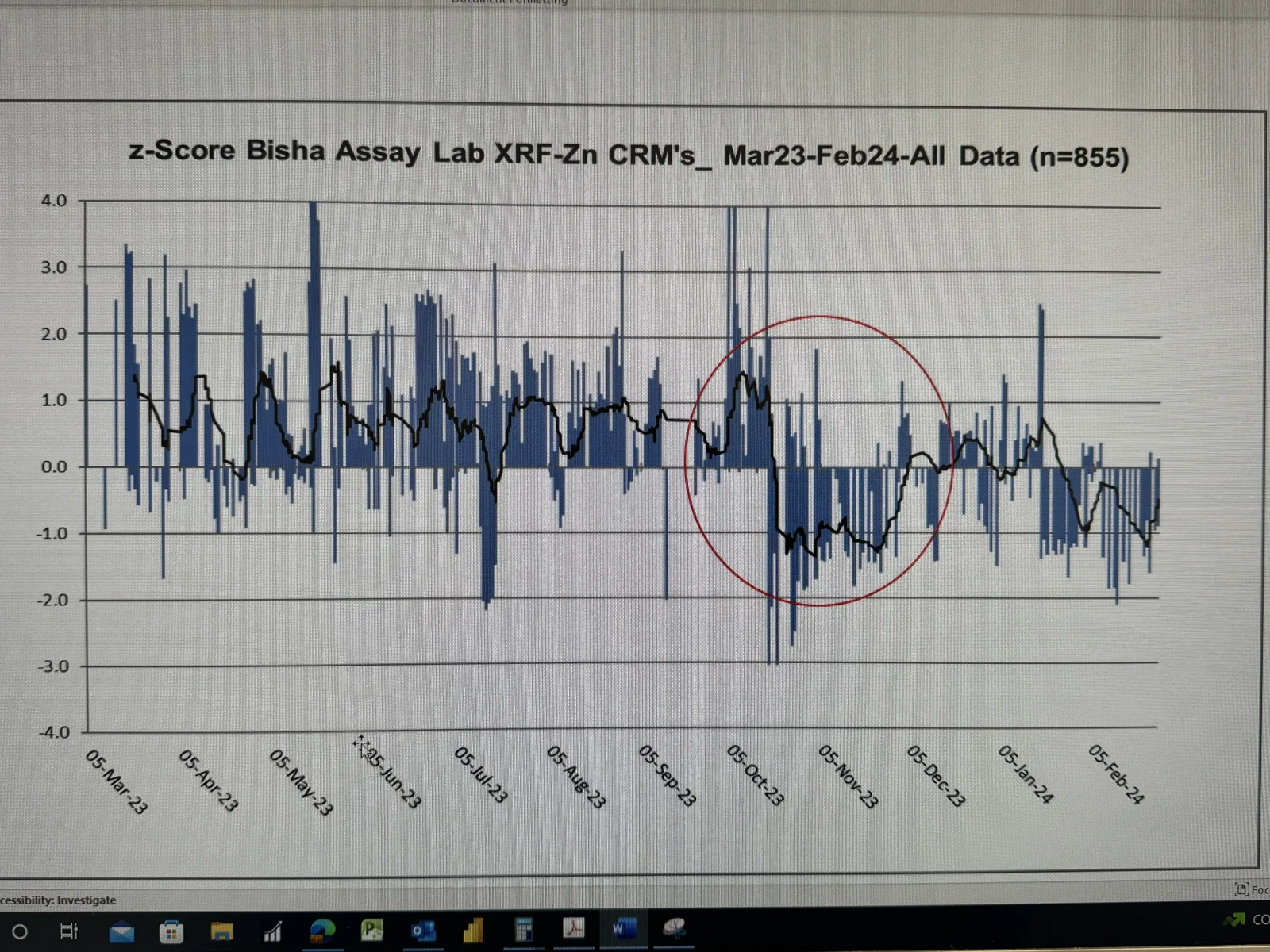
Small analytical differences can become large operational differences.
An investigation examined persistent bias in zinc reporting. Quality-control trends, preparation calculations, drift monitoring and comparative analytical information were used to examine the discrepancy.
At mining scale, analytical performance affects reconciliation, process understanding and confidence in operational and commercial information.
Explore the Analytical EvidenceWhat this demonstrates
The right laboratory operating model depends on the operation’s requirements. Outsourcing, insourcing, consolidation and owner operation are choices to compare against capacity, turnaround, quality, control and economics.