
Laboratory Performance Diagnostic
What is actually limiting laboratory performance?
A Laboratory Performance Diagnostic establishes what is happening across the laboratory, why performance is being lost and where management should intervene first.
Client situation
When it is needed
For operations experiencing long turnaround times, growing backlogs, inconsistent output, recurring quality problems, low equipment availability, high rework or poor visibility of laboratory performance.
Operational evidence
Evidence before assumption.
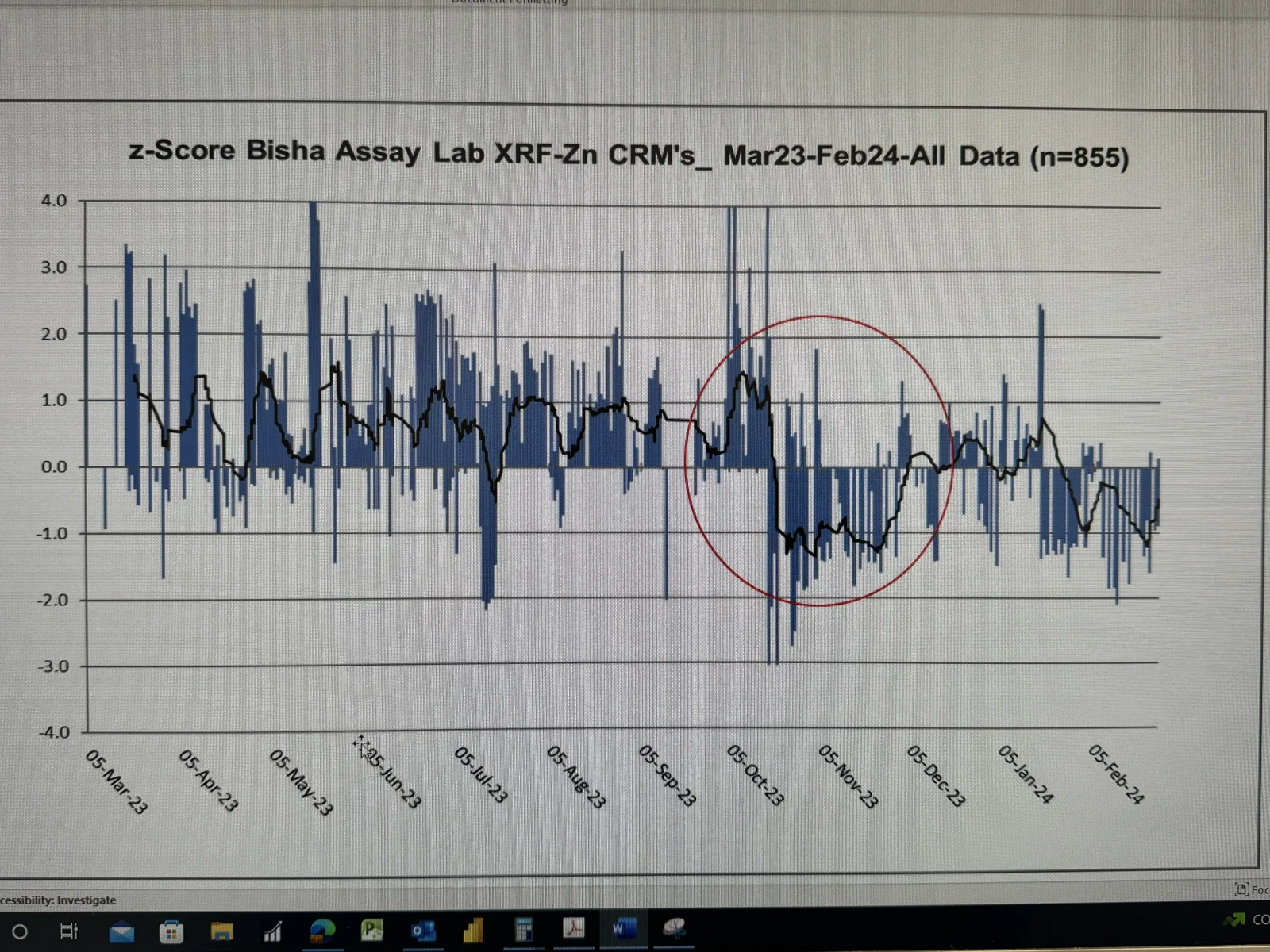
Illustrative Diagnostic Output
Sirius begins by finding the evidence that controls performance—not by assuming the answer is more equipment.
One operating system
What Sirius examines
- 01Demand
- 02Workflow
- 03Capacity
- 04Equipment
- 05People
- 06Quality
- 07Turnaround
- 08Productivity
- 09Cost
Sirius looks at the laboratory as one operating system. The assessment identifies where work accumulates, where capacity is lost, which constraints control output and whether resources are aligned with actual analytical demand.
Evidence base
Typical evidence reviewed
- Sample volumes and analytical routes
- Turnaround-time performance
- Backlog and work-in-progress
- Equipment availability and downtime
- Staffing, shifts and productive hours
- Reruns, reweighs and reprocessing
- QA/QC performance
- Workflow and hand-offs
- Operating procedures and controls
- Cost and productivity information
The work
What Sirius does
- 01
Establish the requirement
Define what the laboratory is expected to deliver to the operation.
- 02
Establish the current state
Measure how the laboratory is actually performing.
- 03
Identify the constraints
Determine where performance is being lost and why.
- 04
Quantify the impact
Show how constraints affect turnaround, capacity, quality, productivity or cost.
- 05
Prioritise intervention
Separate immediate operating fixes from issues requiring deeper modelling, investment or redesign.
Decision support
What the client receives
- Current performance baseline
- Principal constraints
- Evidence behind each finding
- Operational consequences
- Prioritised improvement actions
- Areas requiring deeper analysis
The objective is to give management a clear view of what is limiting performance and what should be addressed first.
Illustrative only
Example output
Illustrative output — not a historical Sirius project result.
Observed issue
Turnaround increasing
Operating evidence
Backlog accumulation + equipment downtime + rework
Constraint / root cause
Capacity loss at a critical process stage
Operational consequence
Laboratory flow deteriorates and turnaround increases
Priority intervention
Targeted workflow / maintenance / resource intervention
Product routing
When this product leads to another product
Capacity problemCapacity & Resource Model
Operating-model problemLaboratory Network & Operating Model
Implementation requirementBuild, Transition & Operate
Need for ongoing controlAnalytical Performance System